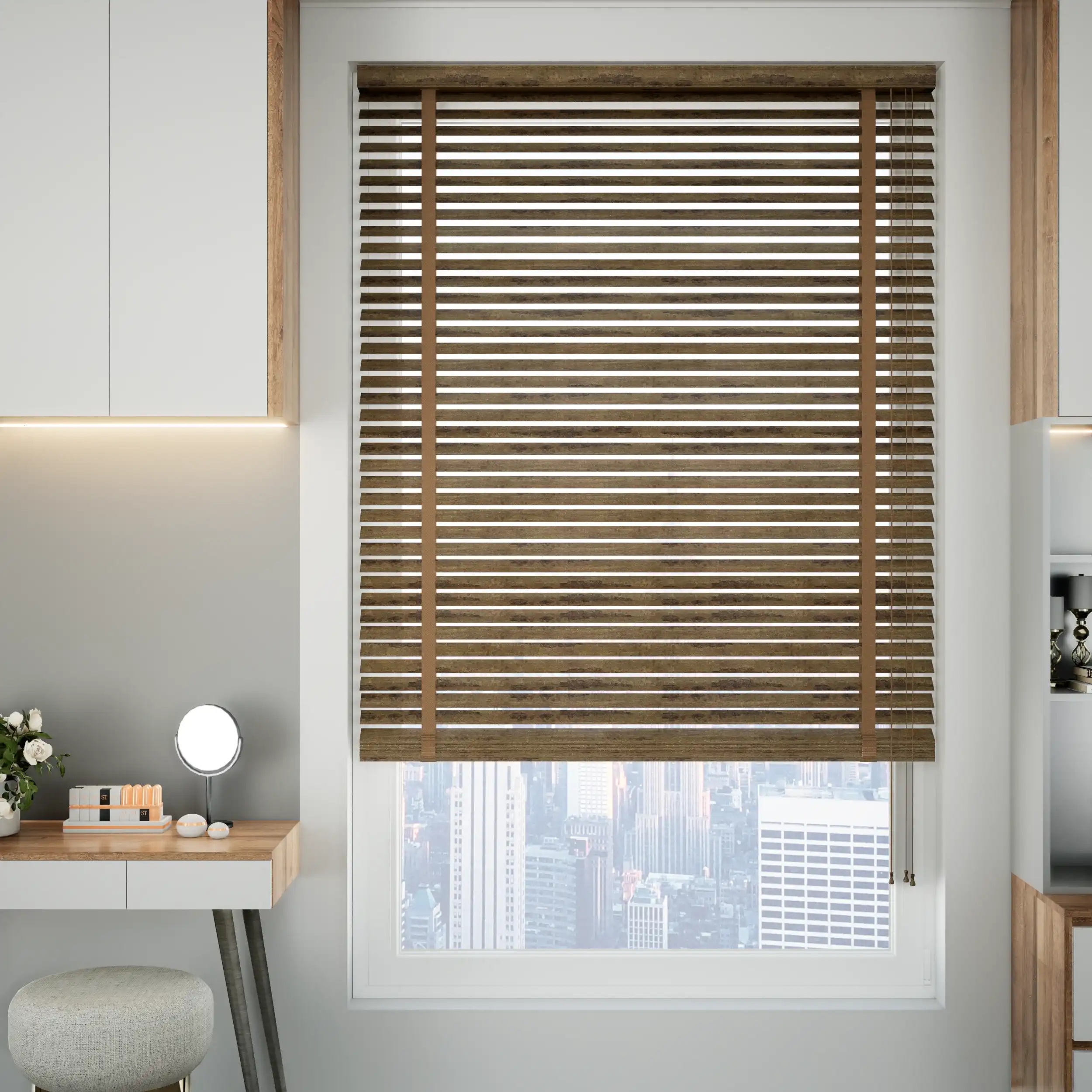
The Australian Smart Guide to Perfect Blinds
Wiki Article
Made To Serve Your Backyard How Your Climate Governs Your Innocent Choice
In Australia We don't only have a climate, we have climates, in plural. The scorching dry heat in Alice Springs is unlike the thick humidity of Cairns rainy season. Both are a world away from the saline winds that can batter a Brighton Beach home. It's not just for weather reports that this deep regional diversity exists. It's one of the main factors to take into consideration when selecting furniture for windows. Blinds you choose based solely on the images found in catalogues without taking into account the specific conditions of your locale is a sure way to result in premature warping or fading. Blinds designed to work with your environment must also be resilient.
Failure mechanisms are unforgiving and clear. The air's moisture is the enemy of the subtropical and humid tropical areas of Queensland as well as Northern NSW. The constant humidity is a ever-present force. It seeks the organic materials causing timber slats that have not been treated to expand, stretch or bind. This causes mould and mildew to develop on textiles like cotton and some linens. This causes stains and musty smells. If the fabric is not properly coated, even metal components like chains, cords or headrails are prone to rust. Here, the philosophy should be one of resistance through inert, synthetic materials.
Your blinds should be made of modern polymers and composites. Venetian blinds made of PVC as well as faux wood are perfect for moist environments. They are made of non-porous materials that do not take in moisture. They are not susceptible to warping or the growth of microbial organisms. Powder-coated Aluminium Venetians offer an elegant look with no risks of rust. For more soft styles, turn at synthetic fabric rollers or Roman blinds made from solution-dyed acrylics or polyesters. These fibers are resistant to moisture in their nature, are often treated with antimildew compounds. Natural fibres, like natural fibres and unlined timber are not recommended unless they're treated for applications that require high levels of humidity.
The Australian interior is hot and dry, with intense UV radiation, along with massive temperatures that fluctuate throughout the day. The sun here doesn't only light a room; it chemically degrades material. Fabrics will fade over time and plastics can become brittle. Also, the constant expansion of fittings, mechanisms, and cooling from hot days into cool nights, can be stressful. In this environment, UV stability is the most important issue.
Here, you should choose materials designed with solar resistance in mind. Outdoor-rated fabrics, even for indoor use, are a smart investment. They are composed of solutions-dyed polymers (often referred to as Sunbrella), which are able to embed the color in the polymer. They are therefore highly fade-resistant. Roller blinds with the highest UV protection are essential not only to safeguard your furniture, but also the blinds' own durability. Aluminium slats can perform well, make sure the plastic used in the hardware is UV-stabilised. The choice of the right colour is essential: darker shades absorb more sunlight and deteriorate faster, while lighter colours reflect heat and will last longer in intense sunlight.
Another zone is the region of coastal, a small area of highly populated land in which an amalgamation of salt sprays and dust fills the air. The corrosive nature of the surroundings can cause metals degrade quickly. Metal roller blinds that are standard or aluminium slats with inferior coatings are likely to be prone to pitting, as well as chalky, oxidised surfaces. The gentle abrasive effect of sand, carried in the breeze, can be used to microscopically polish surfaces.
The requirements for coastal properties have to be aggressive. All metal components, from the tilt wand all the way to the headrail, must be made with marine-grade aluminium. You should look for products with an "coastal-friendly" or "salt air friendly" rating. This means the fittings are treated to specific anodizing or coating procedures for example, an marine-grade powder coat. PVC and acrylic fabrics are inert to salty air as is composite "faux-wood" or composite "faux-wood". It is critical to avoid ferrous metals (ordinary steel) entirely and to ensure that any installation screws and wall anchors are constructed of stainless steel to keep streaks of rust from appearing on the walls.
There are microclimates that exist outside these broad areas. The southern-facing balconies of Melbourne have to endure cold and humid conditions. The window facing west of an Adelaide home is subjected to intense afternoon sun. The benefit of having a knowledgeable local provider is indisputable in these circumstances. They've witnessed the things that work and don't work in the region you reside in. They can advise you on which brand of powder coat is the best for Bribie Island or what fabric blend will resist fading more effectively in Perth.
Ask them specific questions based on location: "I'm three streets back from Sorrento's beach. Do I need the full marine-grade product?" For my West-facing Penrith sunroom, what's the best TSER (Total Solar Energy Refused) fabric that also ensures the color stability? Their answer should be grounded by local experience and not a generic brochure.
Ultimately, viewing your blinds from the perspective of climate suitability can provide long-term value and peace of mind. It's the distinction between a blind that is a temporary decoration and one that's solid, durable and a element of your home's exterior. Modern technology can meet the needs of Australia's environmental. If you opt for blinds specifically designed to fit the backyard window, you are not simply buying a window dressing. You are investing in something that will last, look great and perform well year after year. It's the most pragmatic form of design. It is a beautiful product that is built to endure exactly where you reside. Follow the most popular blinds for site tips including diy shutter, order window shades, no blinds, window shade store, direct fit blinds, diy blinds, online blinds, custom order blinds, blinds au, all the blinds and more.
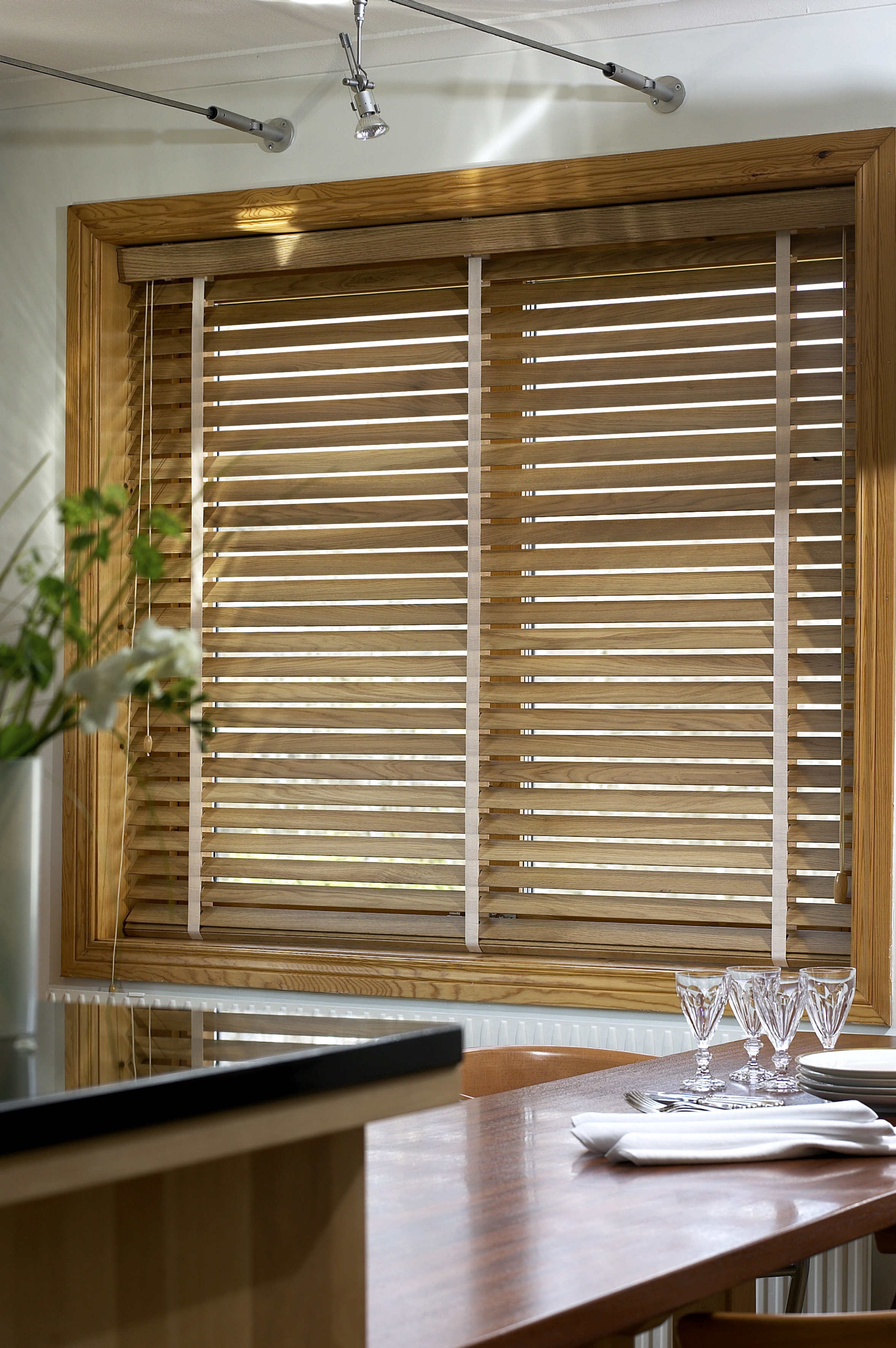
The Invisible Shield: Why Australian Standards Are Your Buying Guide
Blinds are a great way to add style and elegance to your Australian home. You might not realize that the laws and engineering as well as a dedication to safety are integrated into your choice. This framework is Australian Standards, a collection of compulsory and voluntary rules that govern everything from the strength of a cord's tensile to the fabric's fire resistance. For consumers it's not just about a matter of technicality it's your primary confidence that the product you have you have in your home was designed and tested to survive and safeguard within the unique demands of our environment and our society. This is the distinction that separates the product from one that is only sold.
The Australian Competition and Consumer Commission's (ACCC) mandatory standard for corded window curtains is among the most significant. It is a law, not a standard. It was born out of tragic events and its goal is clear: eliminate the risk that children will be choked. The law requires that any new corded blinds have to be supplied with specific, already-installed safety features. The standard specifies that tensioners must be permanently attached to the wall to keep cords in a tight, tight and taut position. It also includes breakaway devices which separate when under pressure. Crucially, the standard details how a product must be installed to be compliant--instructions that must be provided with the product. If a seller sells a motorized window blind without these features or suggests that you install them later yourself They aren't selling products that are compliant. For the consumer the best option is to opt for cordless or motorised options, which inherently satisfy the standards' ultimate objective.
In addition to this safety standard there are numerous Australian and New Zealand Standards that influence performance and quality. While not always mandatory to purchase, their use by trusted manufacturers indicates a product built to a verified benchmark. AS/NZS60335.2.97 A household safety standard that defines the requirements for durability, functional and safety of blinds is among the most crucial. It sets tests to determine the force required for a control to be operated, ensuring it's not too tight it strains components or so loose it operates unpredictably. It evaluates the durability of tapes and ladders used in vertical and venetian blinds, checking they are able to withstand repeatedly used without deteriorating. The product has been subjected to several years of simulation in a lab, and is therefore an indication of its strength at home.
Another critical area is fire resistance, which is governed by standards such as AS/NZS 1530.3. While not required for most homes, it is paramount in certain multi-residential buildings such as hotels, apartments, as well as aged care facilities, in which specific fire-hazard properties are required by the Building Code of Australia (BCA). In these cases, blinds will need to be constructed of materials that aren't flammable or have passed stringent tests of fire propagation and smoke. A product with a fire safety certification indicates a better-grade material that is typically more resistant to heat, has a lower likelihood of rapid spreading of flames, and also provides additional security.
Material performance standards are equally important in the Australian context. Standards to prevent UV degradation also exist to evaluate the material's resistance to our intense sunlight. Fabrics that are certified to meet applicable UV standards has proven to withstand physical and colour degradation for a defined period in the presence of Australian conditions. When purchasing outdoor blinds for sunrooms or outdoor blinds, be sure to look out for AS/NZS4388 which is a standard for outdoor fabric performance. Standards for anodising, powder coating and aluminium components are essential particularly in coastal areas. They make sure that the finishes are resistant to corrosion caused by salt spray. It's not about protecting against injuries, but rather protection against premature failure of the product. It's a guarantee that the product will work and appear as it was designed for years after installation.
As a buyer How do you confirm the compliance of your purchase? Passive acceptance is replaced with active inquiry. In direct contact with suppliers, ask these questions: "Can we confirm this product is in compliance with the ACCC corded window blind standard and that the installation will be in line with the ACCC corded window blind standard?" "Does it have an official test certificate for the relevant Australian Standard on UV stability/fire performances/coastal toughness?" Reputable providers will not be offended by these questions; they'll accept them as a signal of a knowledgeable buyer. They should have documentation, or proof from the manufacturer confirming compliance. Be wary of products that are sold through international marketplaces that do not refer to Australian Standards. They are made for an international market, not the Australian environmental and regulatory pressures.
This due diligence is important beyond the front door. Items that aren't compliant can pose risky to your safety and could end up can void your insurance coverage if you are the cause of a disaster (like the possibility of a house fire) or they not be able to function properly, resulting in no option locally to resolve warranty claims. Selecting a product that is compliant that is installed and supplied by a knowledgeable local business, is an act of risk-reduction. It's a method to ensure that the purchase you make will help to, and not jeopardize, your home's security.
Australian Standards are ultimately a common agreement regarding safety and quality. They reflect the collective wisdom of industry experts, engineers and safety advocates all working to determine what "fit for purpose" means in the context of an Australian home. When you purchase a compliant product is not simply purchasing a blind. You buy the assurance that all materials have been tested and every mechanism is designed. Conformity to Australian Standards can be a reliable filter in a market packed with a variety of choices. It will help you distinguish between products that are ready for market and home use. This invisible shield allows the consumer to enjoy their view without worrying.